eBooks
95 Books foundExploring the AMBKI Public Domain Literature Library
The AMBKI Public Domain Literature Library offers a curated collection of 95 historical and literary texts, all drawn from public-domain sources. This catalogue is designed for readers who wish to engage with primary and secondary works spanning from ancient civilizations to modern historical surveys. Each book record includes bibliographic details, author names, publication information, keywords, target-reader indications, and editorial notes that highlight distinctive features of the work.
Browsing the Catalogue
Readers may navigate the collection through the archive page at /ebooks, which lists all titles with links to individual book pages. Alternatively, category pages group related works by theme or approach, offering focused entry points. The site also provides a contact form for inquiries and an editorial standards page explaining our processes.
Book Records and Source Attribution
Each book record contains the title, author(s), publisher (typically Project Gutenberg), subject keywords, a target-reader field, and a catalogue note. The catalogue note offers editorial observations on the work’s style, structure, or context. Source attribution is clearly indicated: all texts originate from Project Gutenberg, a well-known repository of public-domain literature. No claims of original publication or copyright are made beyond what is stated.
Categories as Navigation Aids
The collection is divided into four categories: Greece (Greek-focused works), Rome (covering Rome and broader national histories), Egypt Near East (archaeology and daily life studies), and Ancient Civilizations (a wide range of historical texts). These groupings are intended to help readers find related material, not as definitive literary judgments.
Practical Reading Paths
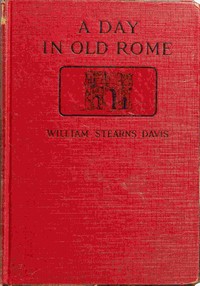
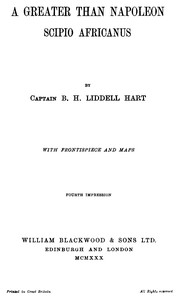
Three possible approaches: (1) Begin with ancient Greece by reading William Stearns Davis’s A Day in Old Athens for a vivid portrayal of Athenian life, then move to J. C. Stobart’s The Glory That Was Greece for a broader survey, and finish with Thomas Sprat’s poetic translation of Thucydides on the plague. (2) For Roman history, start with Samuel Dill’s Roman Society from Nero to Marcus Aurelius to understand social customs, then read Basil Liddell Hart’s A Greater than Napoleon on Scipio Africanus, and conclude with William Stearns Davis’s A Day in Old Rome for daily life. (3) For ancient civilizations broadly, begin with Flavius Josephus’s The Wars of the Jews for firsthand military history, then John Fiske’s The Discovery of America to see how medieval geography shaped exploration, and finally George Rawlinson’s The Seven Great Monarchies series for a comprehensive survey of the ancient Near East.
Bibliographic dates and catalogue measurements
The catalogue distinguishes the Project Gutenberg digital release from a work’s original or first publication. Project Gutenberg is identified as the digital source for the edition available here; its release year is therefore shown as Gutenberg Release Year, not as the work’s original publication year.
When an explicit first-publication or issue date can be supported directly by the title or issue information, it may be shown separately as First Publication Year. When that date cannot be confirmed, the catalogue displays Not confirmed rather than guessing a year.
Where the source text can be measured reliably, the catalogue may provide word count and estimated reading time. These measurements describe reading scope and are not quality rankings.
The current catalogue contains 4 active subject categories: Greece, Rome, Egypt Near East, and Ancient Civilizations. Categories are browsing aids and may overlap where a work reasonably fits more than one subject.